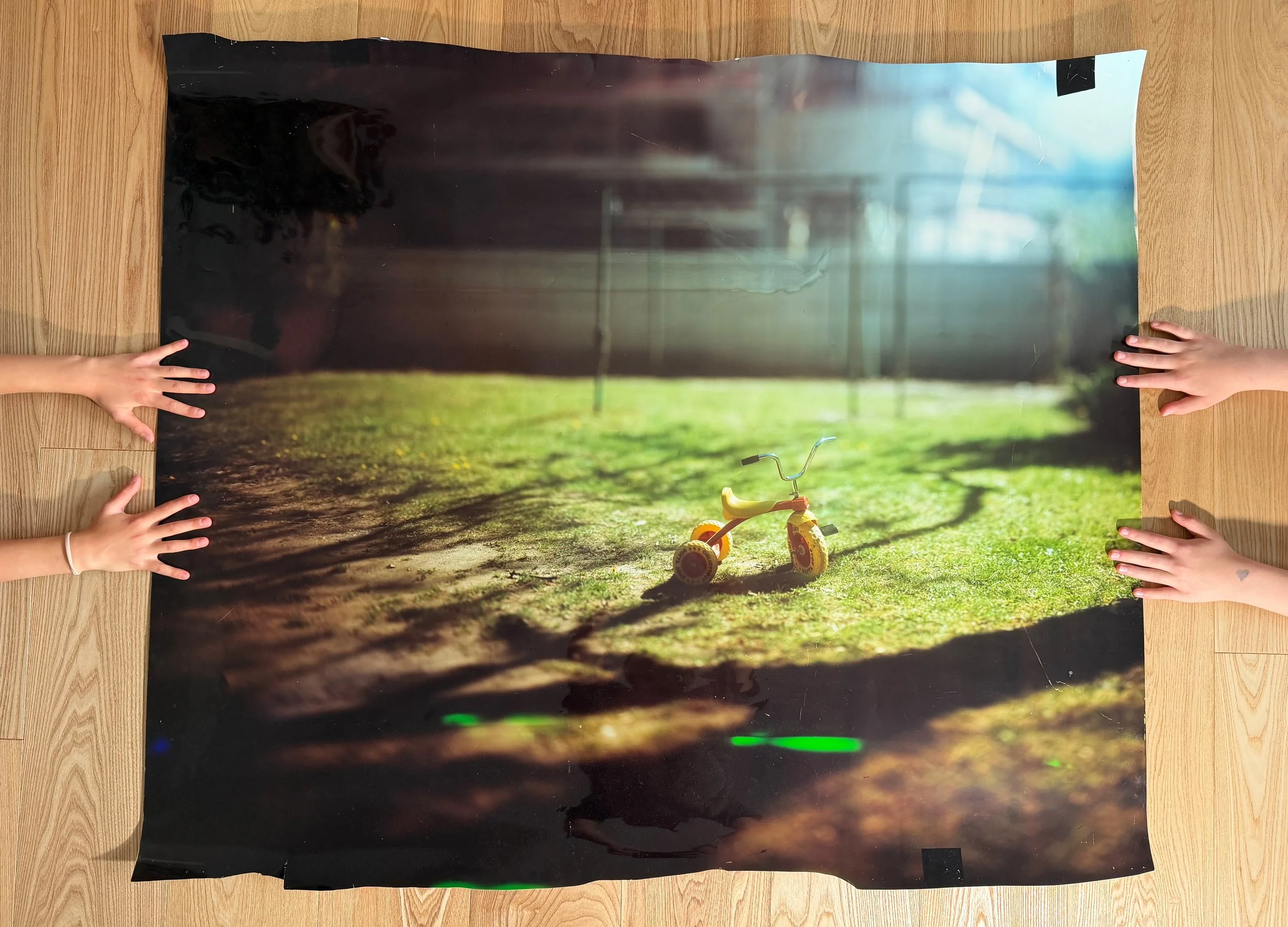
Creating Photographs you have never seen before

In an age of digital pixels and AI-generated imagery, I am searching for something different: the absolute, physical true light of a moment.

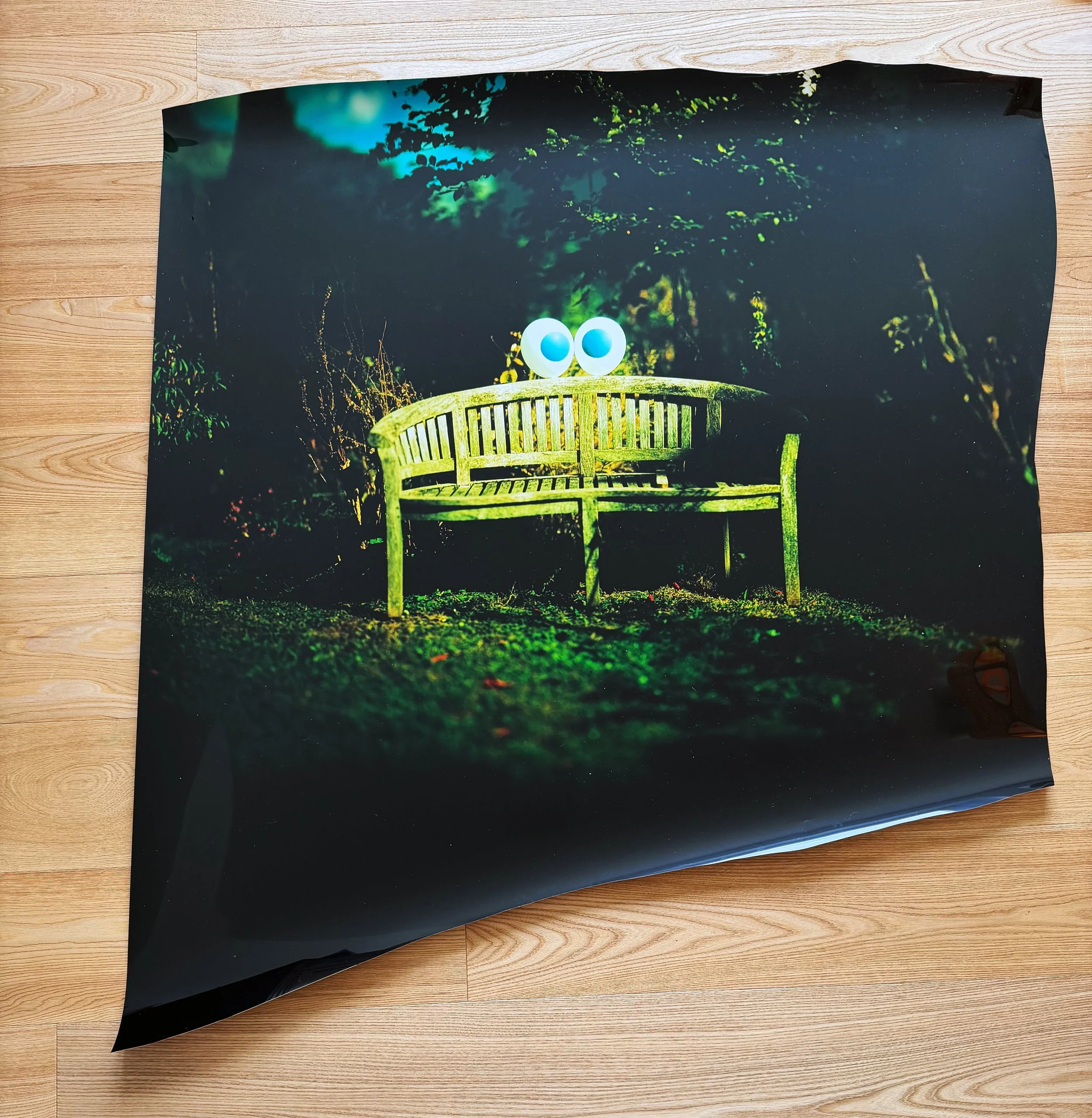
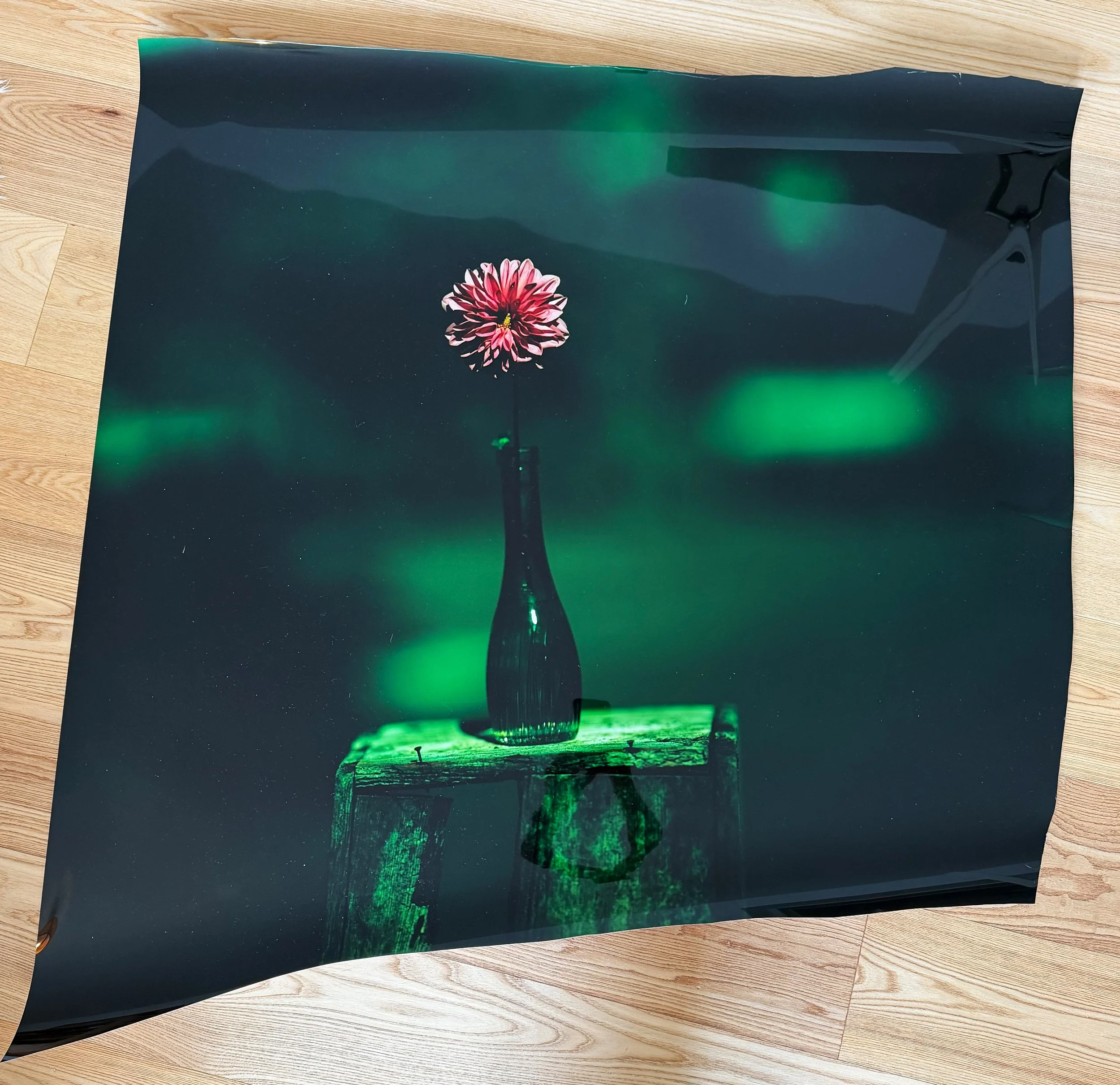
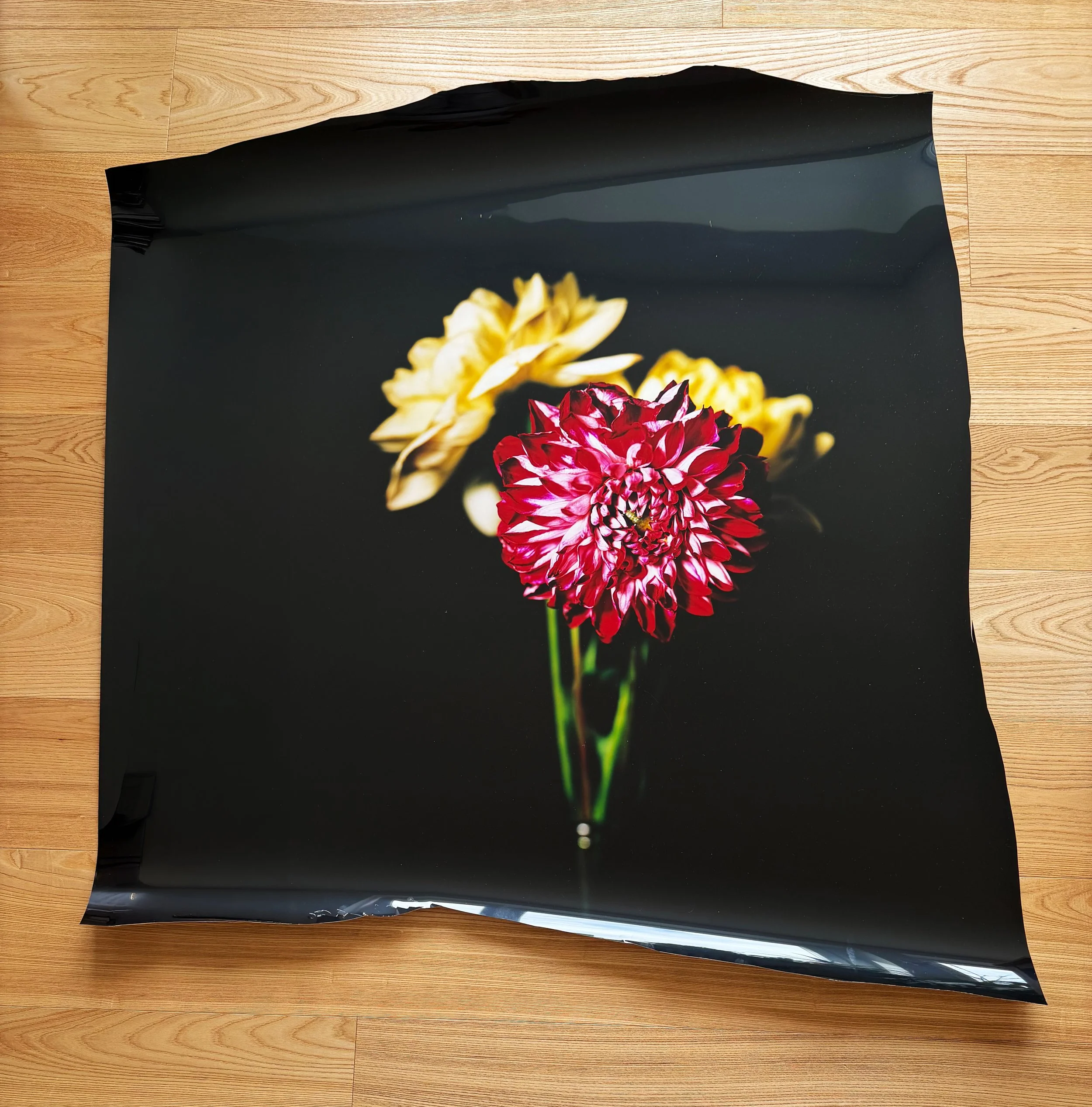
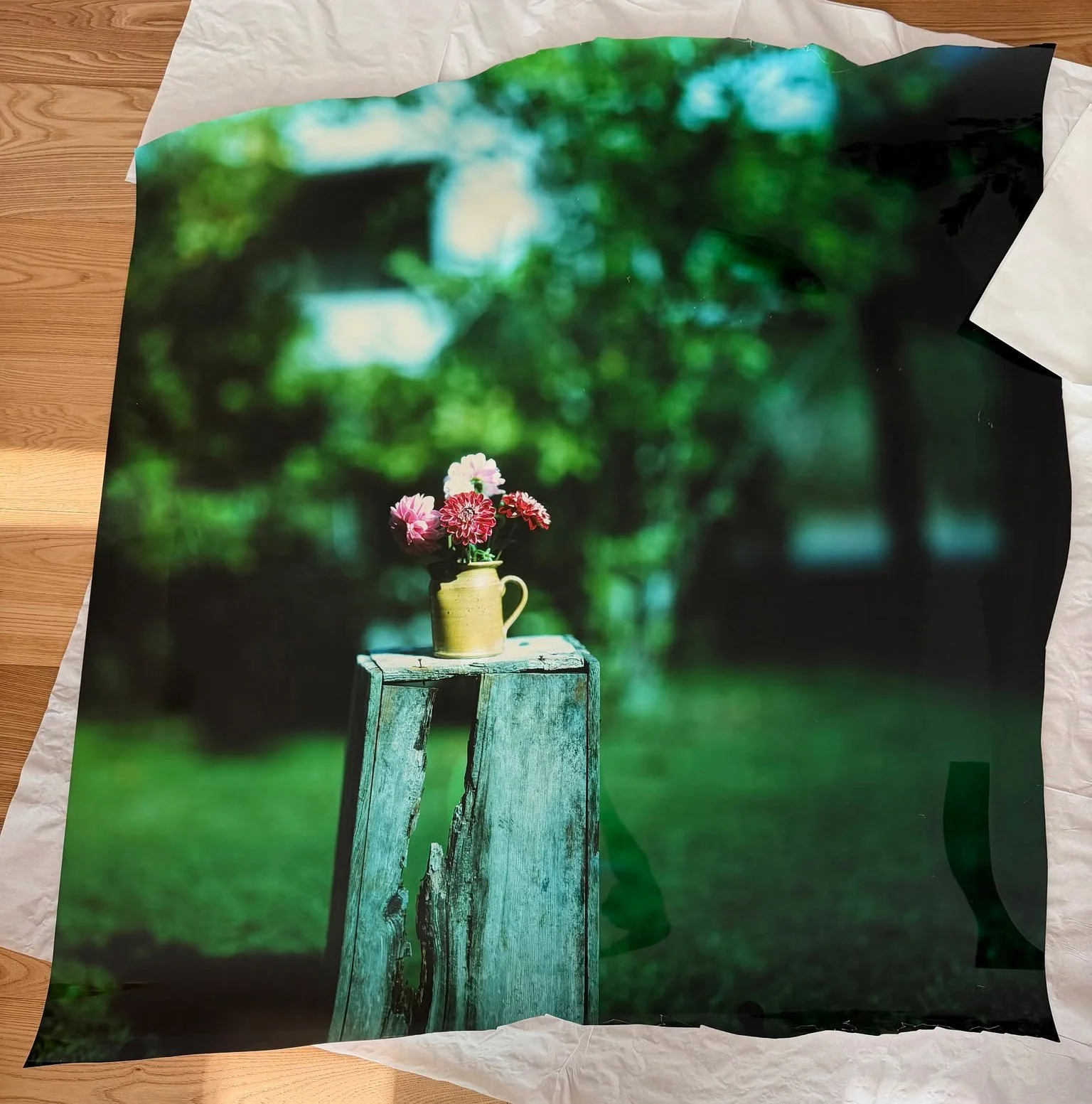
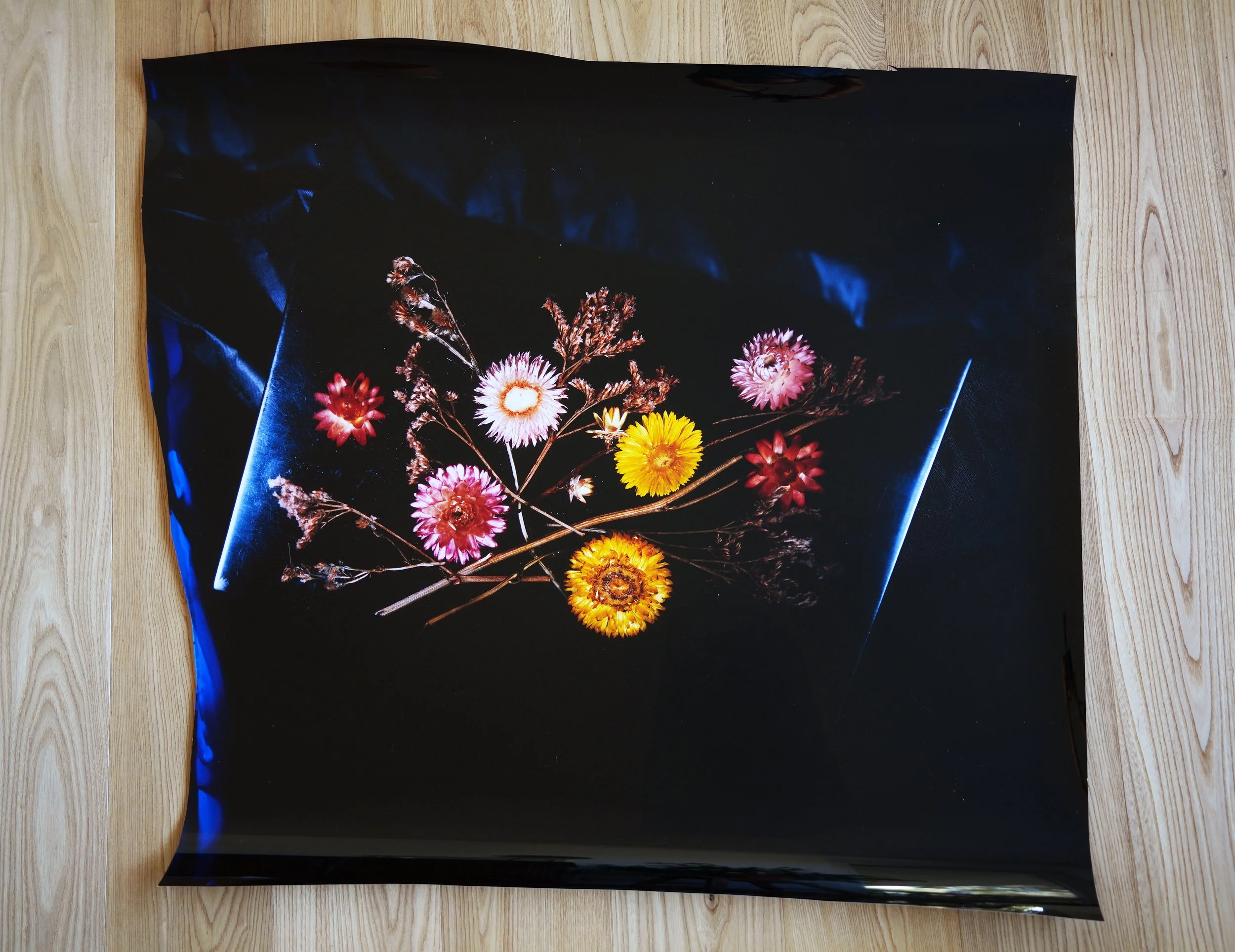
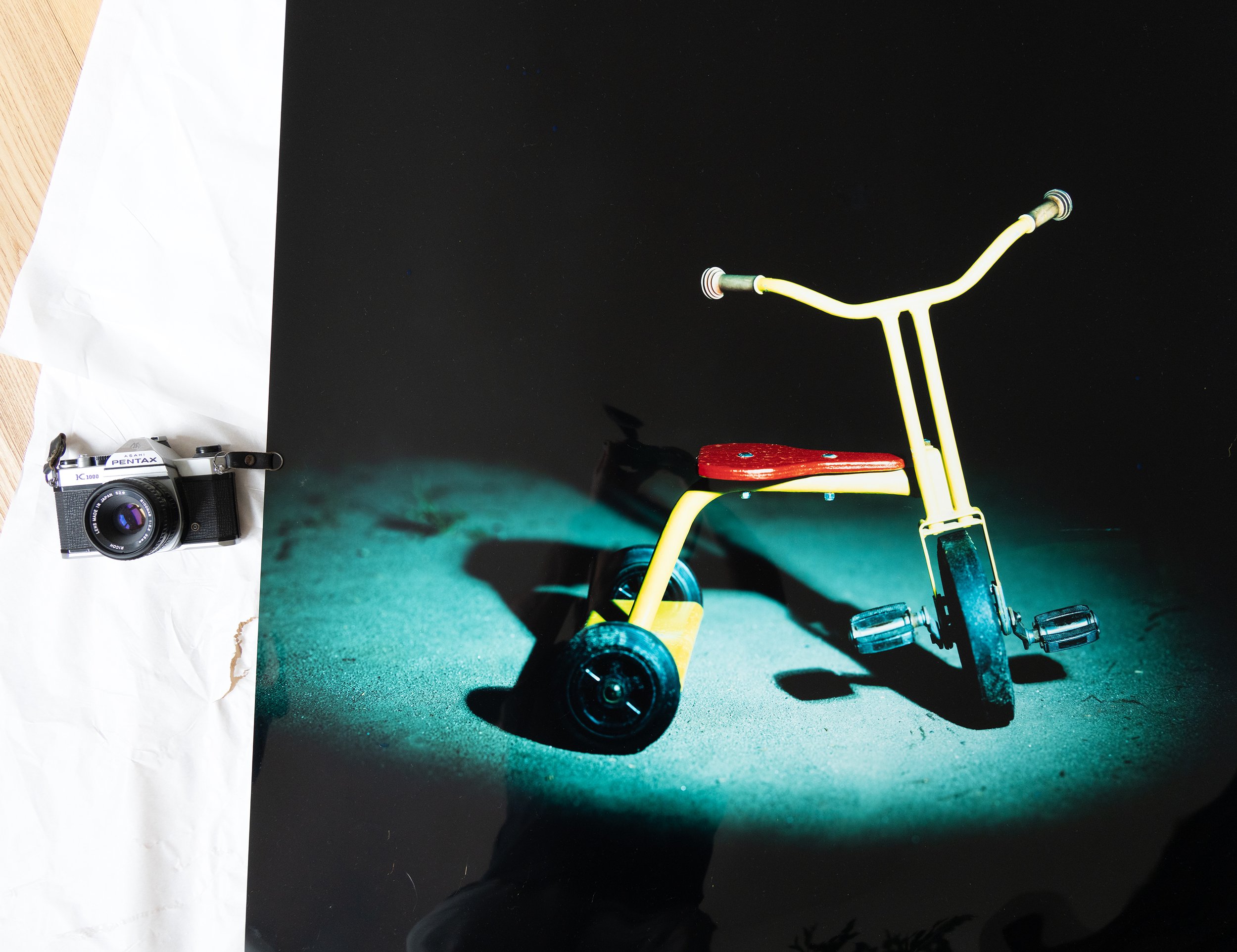
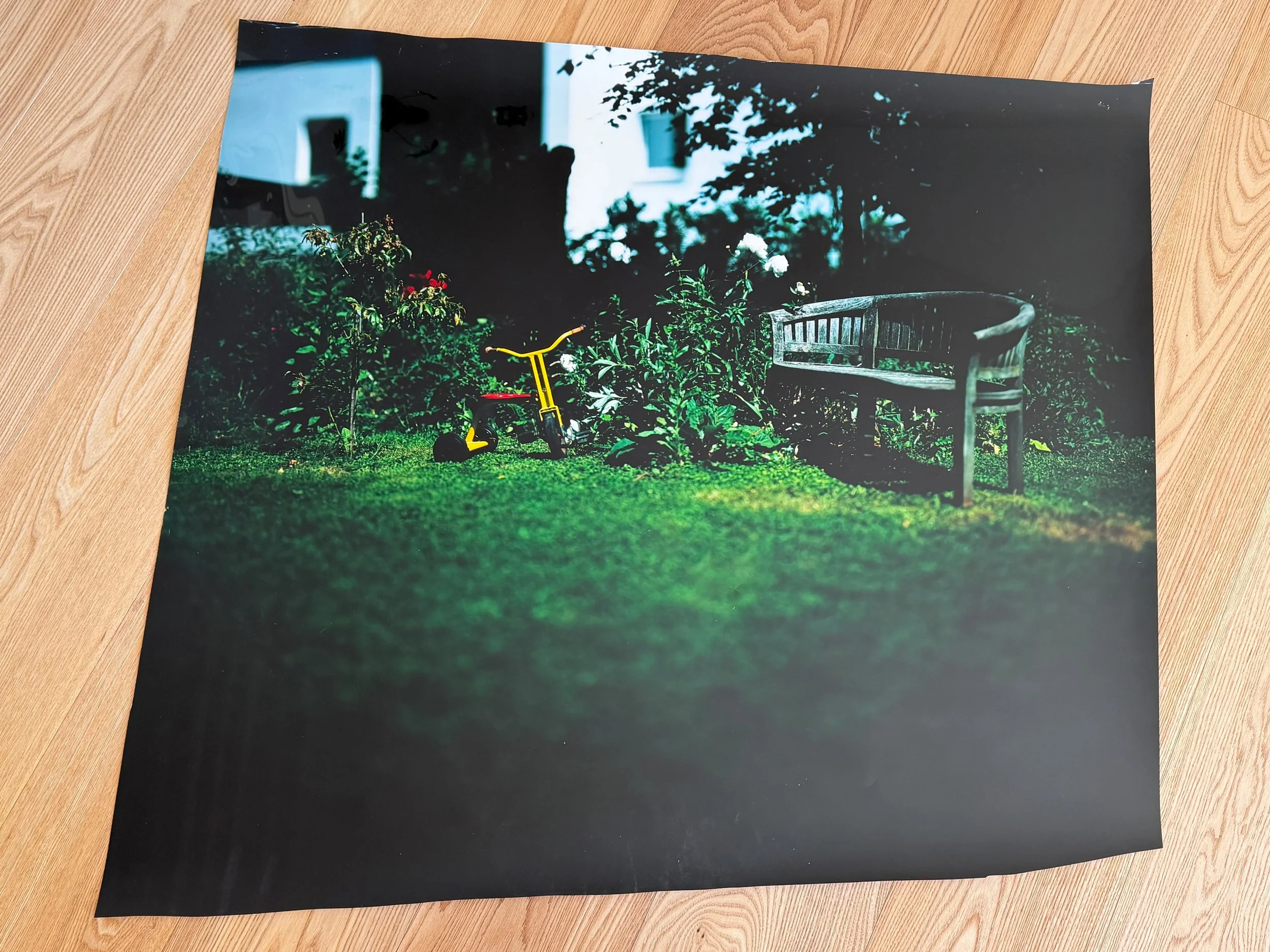
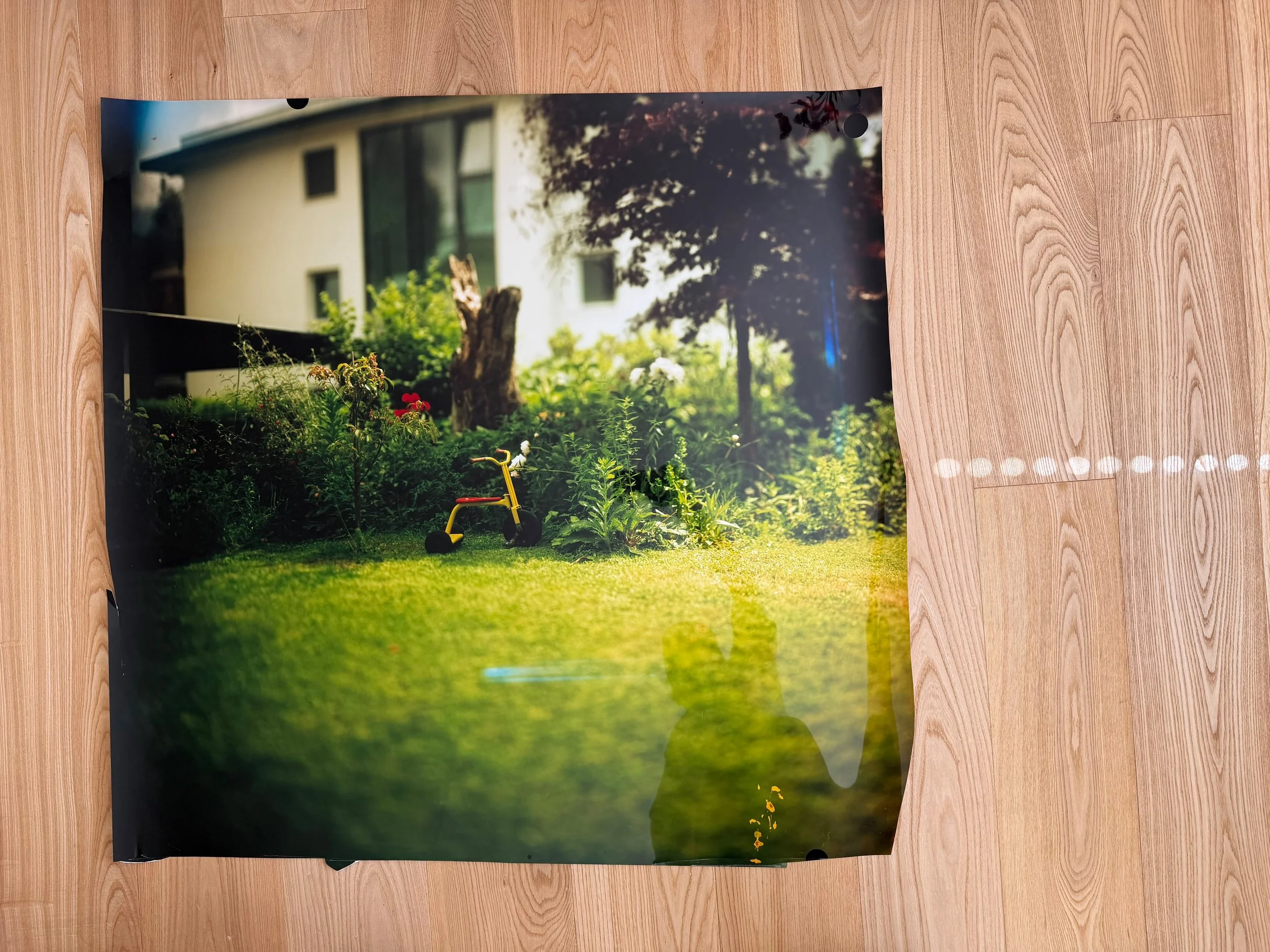
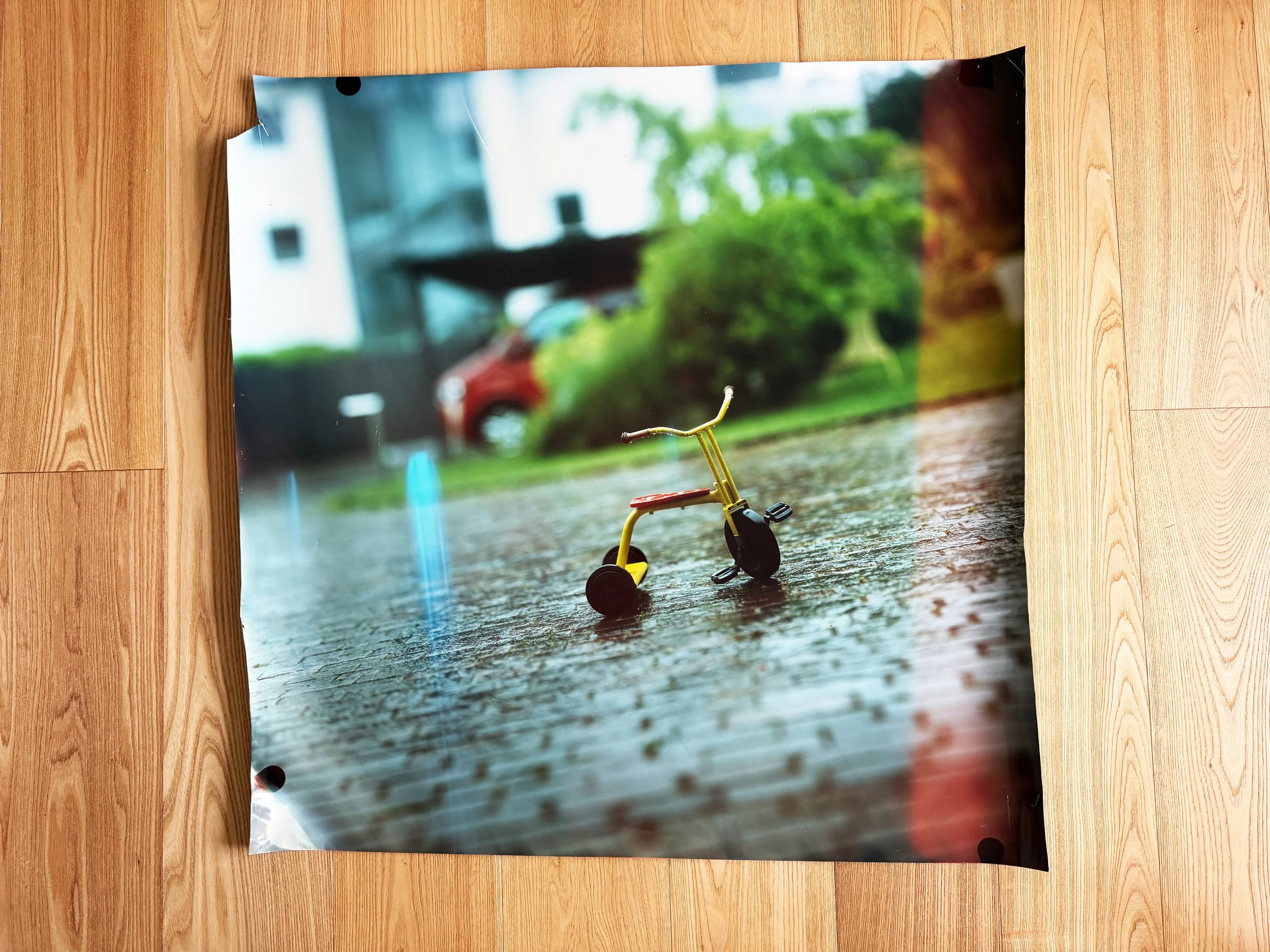
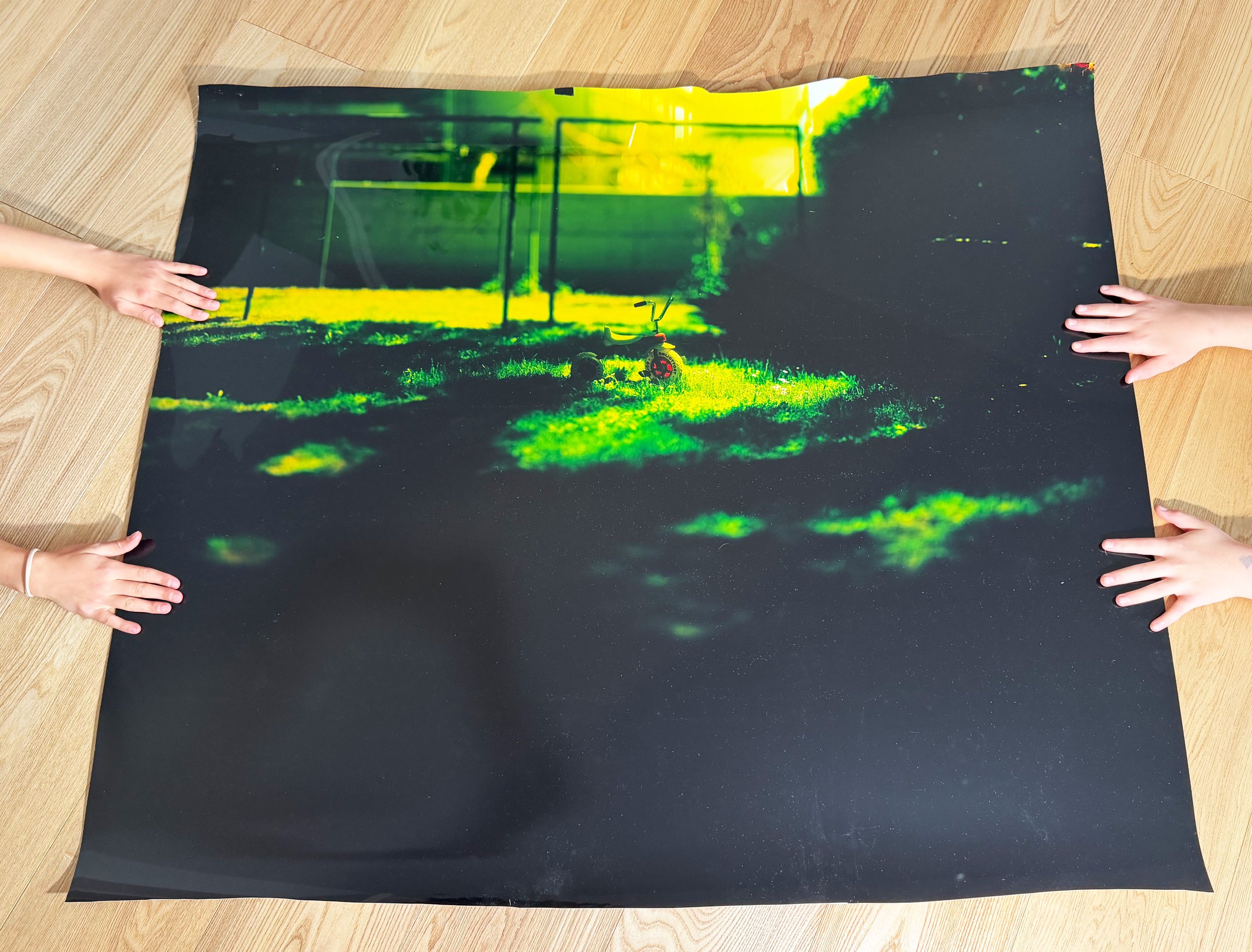
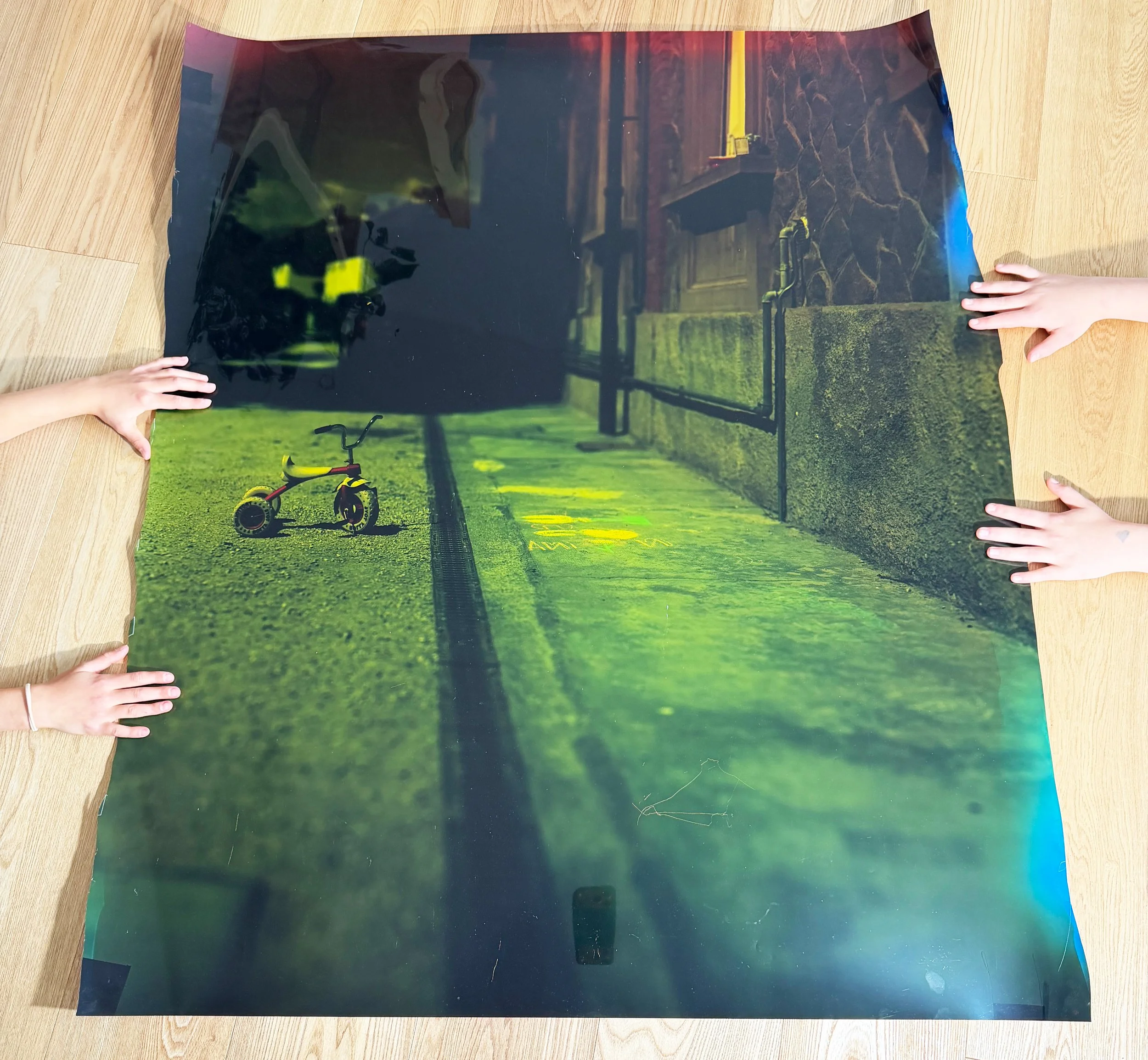
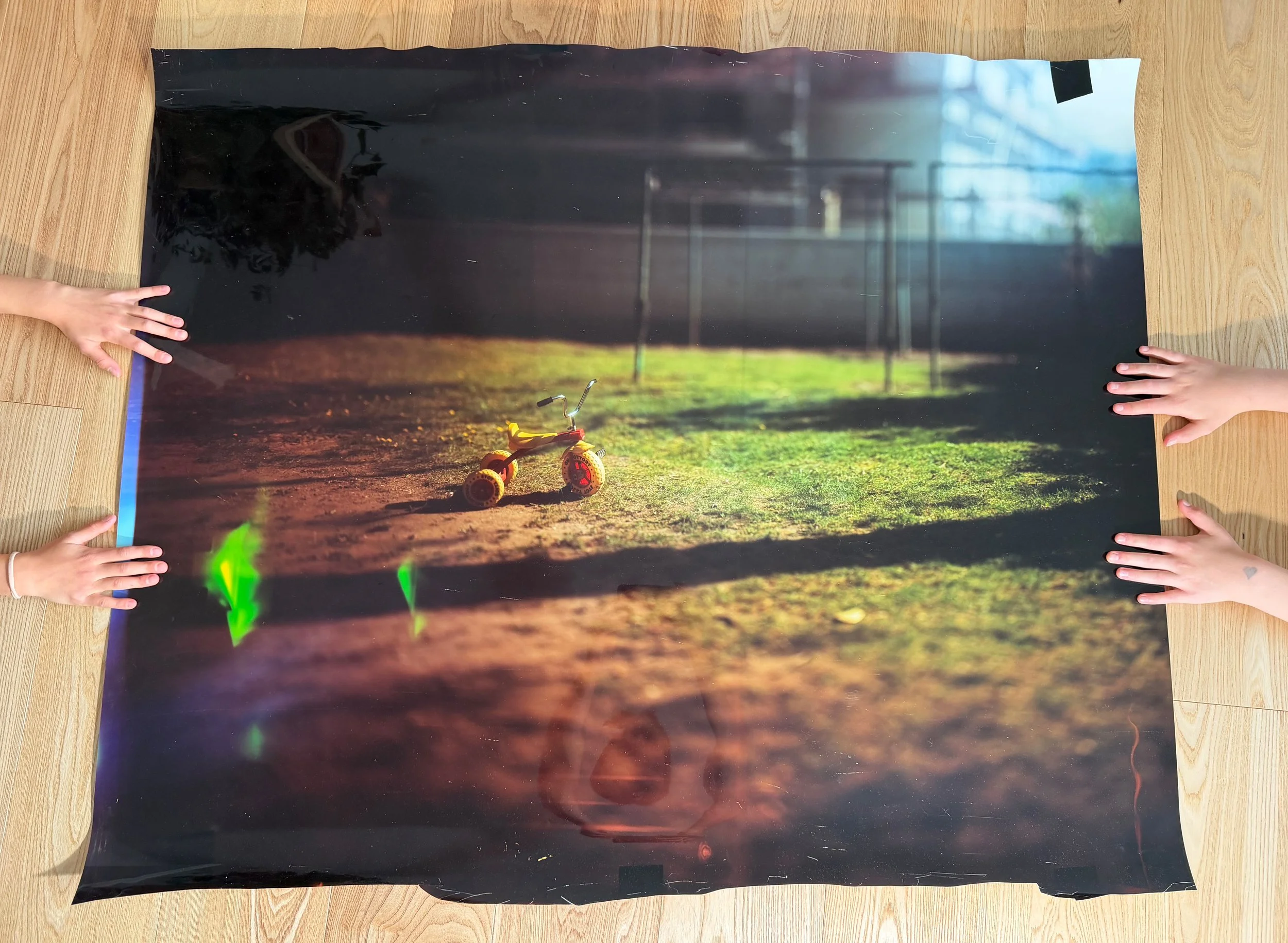
There is no negative, no digital sensor, no scanning, and no editing. It is a one-of-a-kind positive color image, 1.27×1,27 meters big, born from the direct impact of photons onto the paper. This process captures a physical resolution and a luminous depth that current digital and analog workflows simply cannot reach.

While others use large formats for grand landscapes or studio portraits, I take my camera outdoors to find beauty in the small and the unnoticed. Inspired by William Blake, my mission is to see a world in a grain of sand—to use a massive machine to witness the tiniest details of life.

One moment. One light. One unique physical reality.

Video by Mario Bisica

Why is this different from all Printed Photos you know of?

When you look at a typical photograph today—whether it was taken in digital or analogue—you are looking at a translation. The light was translated into pixels or grain, then edited or scanned and finally laid onto the surface of a paper into dots of ink or laser print.

My "Giant Slides" are not translations. They are the original event. Here is why they look and feel fundamentally different:

The limitless feeling

Almost every print you have ever seen is made of "halftone" dots or microscopic ink droplets. If you use a magnifying glass, the image breaks apart.
Because my camera projects light directly onto silver-halide paper, there are no dots. The colors are formed by a continuous chemical reaction within the layers of the paper itself. The result is a "liquid" smoothness and a level of detail that feels "limitless" to the human eye, far exceeding the resolution of even the best digital printers.

A standard print breaks apart when you get close; you start to see the "mush" of pixels or the grid of ink dots. My process does the opposite. Because the light is projected directly onto the final surface, the closer you get, the more detail you find. It rewards your curiosity rather than revealing a digital limit.

This is why viewers often describe these images as "looking through a window." The subject isn't just "on" the paper; it feels physically present.

The Only Version of This Light

Finally, it is different because it is unique. In the digital world, there are infinite copies. In my process, there is no negative and no digital file. The piece of paper you are standing in front of is the exact same piece of paper that was inside the camera at the moment the light hit it. It is a physical witness to a moment in time—an authentic, unedited, and unrepeatable object.

A 1:1 record of photons.